1. Introduction
Section outline
-
The 21st century has witnessed a growing global consensus on the urgent need to transition from fossil fuel-based energy systems to cleaner, more sustainable alternatives. The energy sector is one of the largest contributors to greenhouse gas emissions, and transforming it is essential to mitigating climate change, improving air quality, and ensuring long-term energy security. Within this context, the European Union has emerged as a global leader in climate action, implementing robust and ambitious strategies that integrate renewable energy development with broader sustainability and social goals.
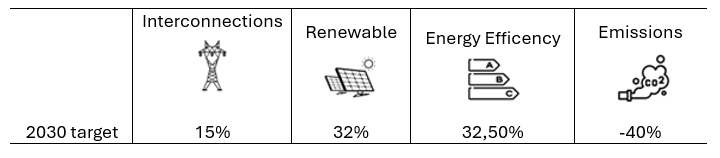
The EU's climate and energy policy is anchored in international commitments, such as the Paris Agreement, and its own internal objectives, including the European Climate Law, which legally binds the EU to become climate-neutral by 2050. To achieve these goals, the EU has developed a comprehensive set of legislative instruments and financial mechanisms to accelerate the deployment of renewable energy sources (RES), improve energy efficiency, and decarbonize the economy.
One of the unique features of the EU's energy transition is the emphasis on community energy. This approach recognizes the vital role that local communities, cooperatives, and individual citizens can play in driving the energy transformation. By enabling decentralized, community-based production and consumption of energy, the EU fosters social innovation, increases public support for renewable initiatives, and ensures that the benefits of the transition are shared equitably.
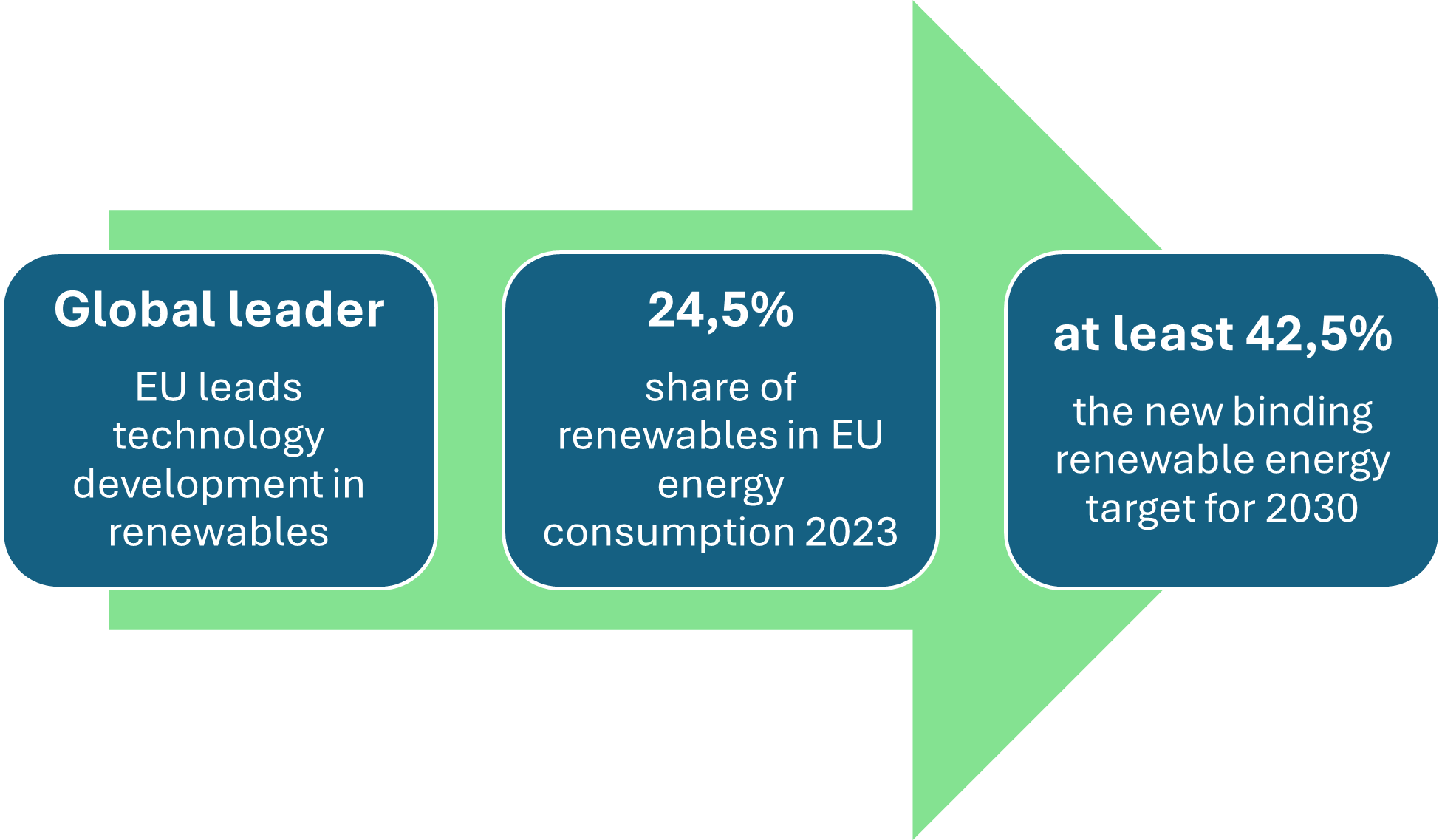
The following sections will explore in detail how the EU has structured its policy landscape to support these goals, including key directives, funding programs, and the evolving role of community energy in achieving a sustainable future.