Module 1: Introduction to Renewable Energy Communities (RECs)
Section outline
-
After completing this module, learners will be able to:

- Understand the background, mission and structure of the RECinMED project
- Explain the concept of Renewable Energy Communities (RECs)
- Recognise the role of RECs in the energy transition and social inclusion
- Understand why RECs are particularly relevant for the Mediterranean region
-
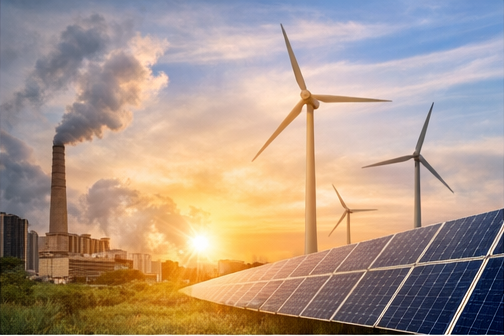
Europe is undergoing a profound energy transition, moving away from fossil fuels towards renewable, low-carbon energy sources. This transition is driven by:
- Climate change mitigation and adaptation
- Energy security and independence
- Rising energy costs and energy poverty
- The need for more democratic and decentralised energy systems
Traditional energy systems are highly centralised, dominated by large producers and utilities. In contrast, the energy transition promotes local, decentralised and citizen-driven solutions, where people and communities play an active role.
-

RECinMED (A Multitude of Inclusive Renewable Energy Communities in the Mediterranean Region) is a transnational project funded under the Interreg Euro-MED Programme.
Project mission
RECinMED aims to support the creation, development and scaling-up of inclusive Renewable Energy Communities across Mediterranean regions.
Key characteristics of RECinMED:
- Focus on inclusion, ensuring that vulnerable groups and small actors can participate
- Strong emphasis on knowledge exchange and capacity building
- Implementation of pilot actions in diverse Mediterranean contexts (urban, rural and islands)
- Cooperation between public authorities, research institutions, NGOs and local stakeholders
RECinMED does not only promote renewable energy technologies, but also new social, organisational and governance models for energy systems.
-
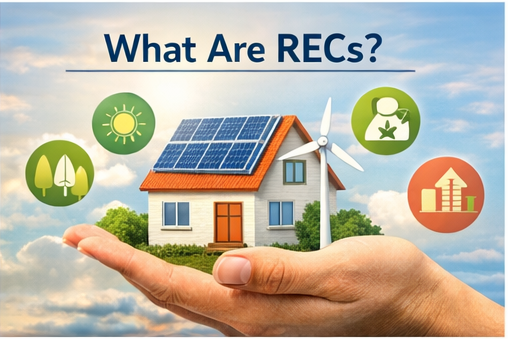
A Renewable Energy Community (REC) is a group of citizens, local authorities, SMEs and other stakeholders who jointly produce, consume, store and manage energy from renewable sources.
Key features of RECs:
- Community-led: controlled by members or shareholders located close to the energy project
- Renewable-based: using sources such as solar, wind, biomass or small hydro
- Non-profit oriented: primary goal is environmental, social and economic benefit, not profit maximisation
- Local benefits: energy, financial and social value remain within the community
RECs empower citizens to become active participants (“prosumers”) rather than passive energy consumers.
-
Renewable Energy Communities play a crucial role in:
🌱 Environmental benefits
- Increasing the share of renewable energy
- Reducing greenhouse gas emissions
- Supporting climate neutrality goals
🤝 Social benefits
- Tackling energy poverty
- Increasing social cohesion and participation
- Empowering local communities
💡 Economic benefits
- Lower energy costs for members
- Local job creation
- Keeping investments and revenues within the territory
RECs combine technological innovation with social innovation, making them a key instrument for a just energy transition.
-
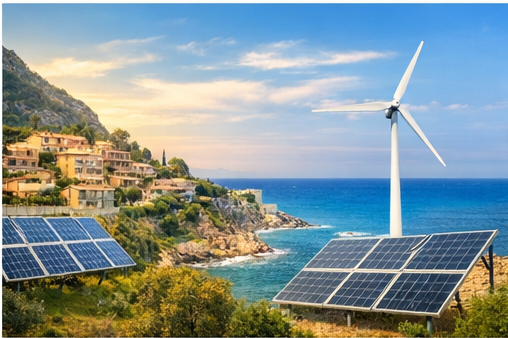
The Mediterranean region has:
- High potential for solar and wind energy
- Many islands, remote and rural areas
- Strong local identities and community structures
- Increasing vulnerability to climate change
However, Mediterranean regions also face challenges such as:
- Energy poverty
- Seasonal energy demand
- Fragmented governance frameworks
RECinMED addresses these challenges by adapting Renewable Energy Community models to Mediterranean realities, ensuring they are inclusive, resilient and transferable.
-
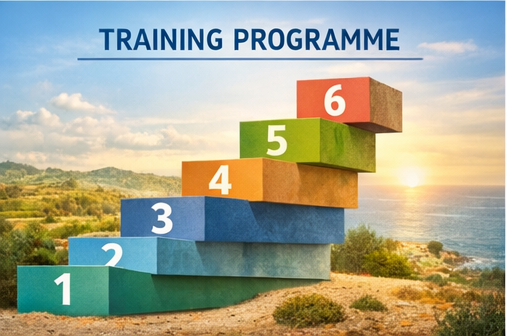
This training programme is organised into six modules:
- Introduction to RECinMED and Renewable Energy Communities
- EU Policies and Legal Framework for Energy Communities
- Energy Sharing Mechanisms and Digital Tools
- Governance and Business Models for RECs
- Stakeholder Engagement and Social Inclusion
- Design and Implementation of Pilot Actions
Each module builds on the previous one, combining theoretical knowledge, practical examples and applied learning.
-

Before continuing to the next module, reflect on the following questions:
- What does energy independence mean for your local community?
- Who could be part of a Renewable Energy Community in your area?
- What local renewable energy resources are available?
-

In this module, you have learned:
- Why the energy transition requires new, community-based approaches
- What the RECinMED project is and what it aims to achieve
- The definition and key characteristics of Renewable Energy Communities
- The importance of RECs for environmental sustainability, social inclusion and local development
- Why the Mediterranean region is a strategic focus for REC development
You are now ready to continue with Module 2, which explores the EU policy and legal framework enabling Renewable Energy Communities.